

Introduction: The Importance of the Right Choice
For businesses in healthcare, food service, retail, and industrial sectors, choosing the right type of disposable gloves is critical. Each material—latex, nitrile, and vinyl—has unique strengths and limitations. Understanding these differences helps procurement managers, distributors, and wholesalers make smarter buying decisions.
Latex Gloves: Comfort and Precision
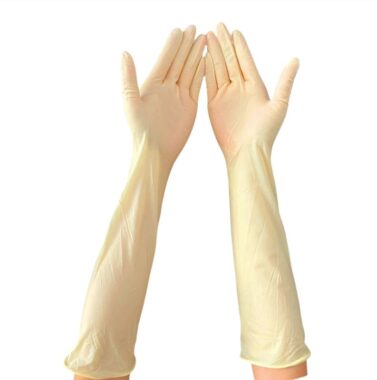
Latex gloves are known for their natural elasticity and “second-skin” fit, making them ideal for tasks requiring tactile sensitivity such as medical examinations and surgeries. They are also cost-effective compared to nitrile.
However, latex allergies are a concern for both staff and customers. That’s why buyers often work with a trusted Latex Gloves supplier to ensure access to powder-free, medical-grade products that meet international standards.
Nitrile Gloves: Durability and Safety
Nitrile gloves are the top choice in medical, laboratory, and industrial environments. They are puncture-resistant, chemical-resistant, and latex-free, making them safe for allergy-sensitive users. Nitrile gloves are also available in thicker grades for heavy-duty tasks, and in stylish black or blue for industries like tattooing and food service.
Distributors frequently rely on Nitrile Gloves manufacturers to secure certified, bulk-ready supply that aligns with healthcare and industrial safety regulations.
Vinyl Gloves: Affordability and Accessibility
Vinyl gloves are made from PVC and are valued for their affordability. They are suitable for low-risk, short-term use in food handling, cleaning, and retail applications. While they lack the durability of latex or nitrile, vinyl remains an important option for budget-conscious buyers.
Wholesale buyers often include vinyl gloves in their portfolio to serve retail chains and food service businesses where cost efficiency is a priority.
Key Considerations for Buyers
-
Regulatory Compliance – Healthcare and food industries require gloves that meet CE, FDA, and ISO standards.
-
User Safety – Nitrile and powder-free latex are better choices for allergy-sensitive markets.
-
Application Needs – Choose based on usage: medical (latex/nitrile), industrial (nitrile), or food retail (vinyl).
-
Pricing Strategy – Balance premium nitrile with cost-efficient vinyl for a well-rounded offering.
Market Trends: A Balanced Portfolio
The 2025 glove market shows that nitrile gloves will continue to dominate, but latex remains strong in surgical and examination contexts, while vinyl retains demand in cost-driven retail and food industries. Distributors who stock all three materials will maintain a competitive edge across regions.
Conclusion: Building a Smarter Supply Strategy
No single glove type fits every need. Businesses should evaluate their industry requirements, customer preferences, and budget before choosing latex, nitrile, or vinyl gloves. By partnering with reliable manufacturers and suppliers, buyers can build a balanced procurement strategy that ensures quality, compliance, and profitability.